- English
- Español
- Português
- русский
- Français
- 日本語
- Deutsch
- tiếng Việt
- Italiano
- Nederlands
- ภาษาไทย
- Polski
- 한국어
- Svenska
- magyar
- Malay
- বাংলা ভাষার
- Dansk
- Suomi
- हिन्दी
- Pilipino
- Türkçe
- Gaeilge
- العربية
- Indonesia
- Norsk
- تمل
- český
- ελληνικά
- український
- Javanese
- فارسی
- தமிழ்
- తెలుగు
- नेपाली
- Burmese
- български
- ລາວ
- Latine
- Қазақша
- Euskal
- Azərbaycan
- Slovenský jazyk
- Македонски
- Lietuvos
- Eesti Keel
- Română
- Slovenski
- मराठी
- Srpski језик

Large-Area OLED Market to Grow 74% in Five Years: Where Does the Display Industry Go Amid Fragmentation and Restructuring?
OLED Market Undergoes Accelerated Fragmentation as Display Industry Enters a Restructuring Phase
According to the latest 2026 Mid- to Large-Sized OLED Display Annual Report released by display market research firm UBI Research, the mid- to large-sized OLED market is projected to grow from approximately USD 11.5 billion this year to around USD 20 billion by 2030, representing a five-year growth rate of 74% and a compound annual growth rate (CAGR) of 14.8%. In response to this clear growth signal, display device companies such as CNK Electronics have already begun adjusting their strategic plans to adapt to an increasingly fragmented application landscape. The report clearly indicates that while liquid crystal displays (LCDs) still dominate the mid- to large-sized display market, OLED adoption is accelerating as demand for high-end performance—such as high resolution, high refresh rates, and high contrast—continues to rise. However, the growth trajectory will diverge considerably depending on the application, driven by distinct consumption structures across monitors, automotive displays, and notebooks/tablets.
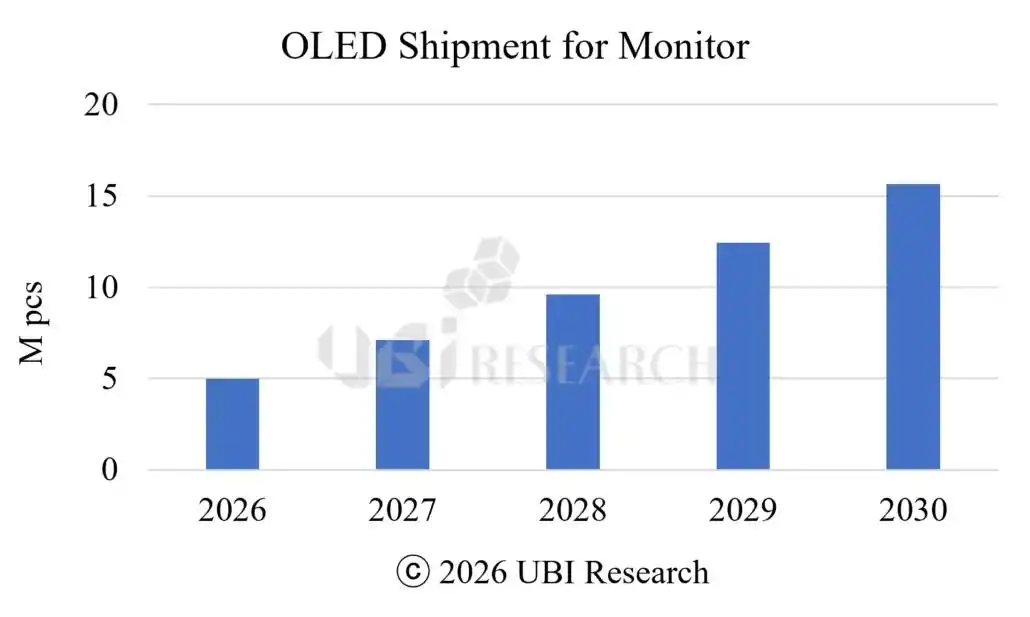
Monitors and Automotive: Performance and Design Drive Accelerated OLED Penetration
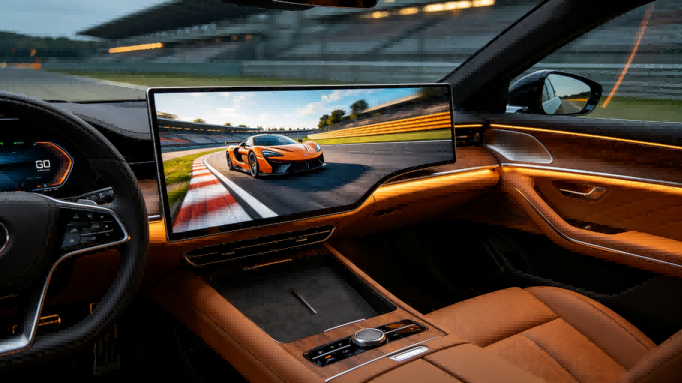
In both the monitor and automotive display segments, OLED is demonstrating a strong penetration rationale. In gaming and content consumption scenarios, OLED’s high refresh rates, rapid response times, and ultra-high contrast directly translate into perceptible user experience advantages, becoming key purchase drivers for consumers. By 2030, OLEDs used in monitors are expected to account for approximately 26% of the entire mid- to large-sized OLED market. In the automotive display sector, because the cost of the display panel represents only a small fraction of the overall vehicle price, the price increase resulting from adopting OLED has a limited impact on the final selling price. This creates significant opportunities for premium vehicle models pursuing larger, curved, and multi-screen designs. The growing demand for design differentiation and cabin luxury is further driving the adoption of automotive OLEDs in the high-end segment.
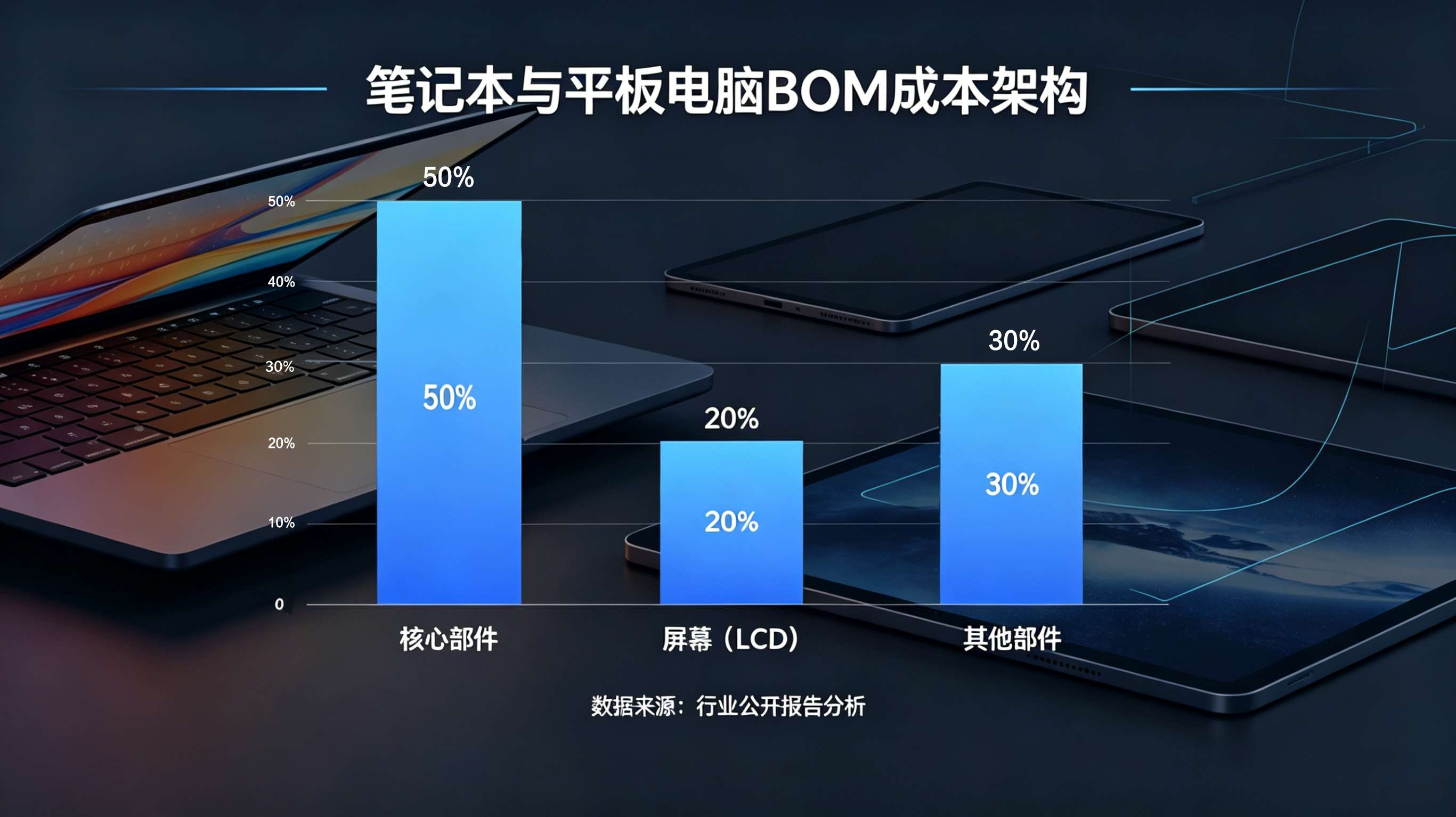
Notebooks and Tablets: Cost Structure Keeps LCD as the Mainstay
In sharp contrast, OLED adoption in the notebook and tablet markets is expected to remain relatively limited. The overall performance and price competitiveness of these two product categories are primarily determined by core components such as CPUs, memory, and storage; therefore, strict control of the overall bill of materials (BOM) cost is a central consideration for manufacturers. UBI Research notes that when the cost of major components like memory rises, adjusting display specifications often becomes a means for manufacturers to meet overall product cost targets. Under this cost structure, LCD display solutions—with their mature, stable, and cost-controllable advantages—will remain a formidable mainstay in the notebook and tablet segment.
Supply Chain Flexibility Needs Highlight the Value of Professional LCD Display Manufacturers
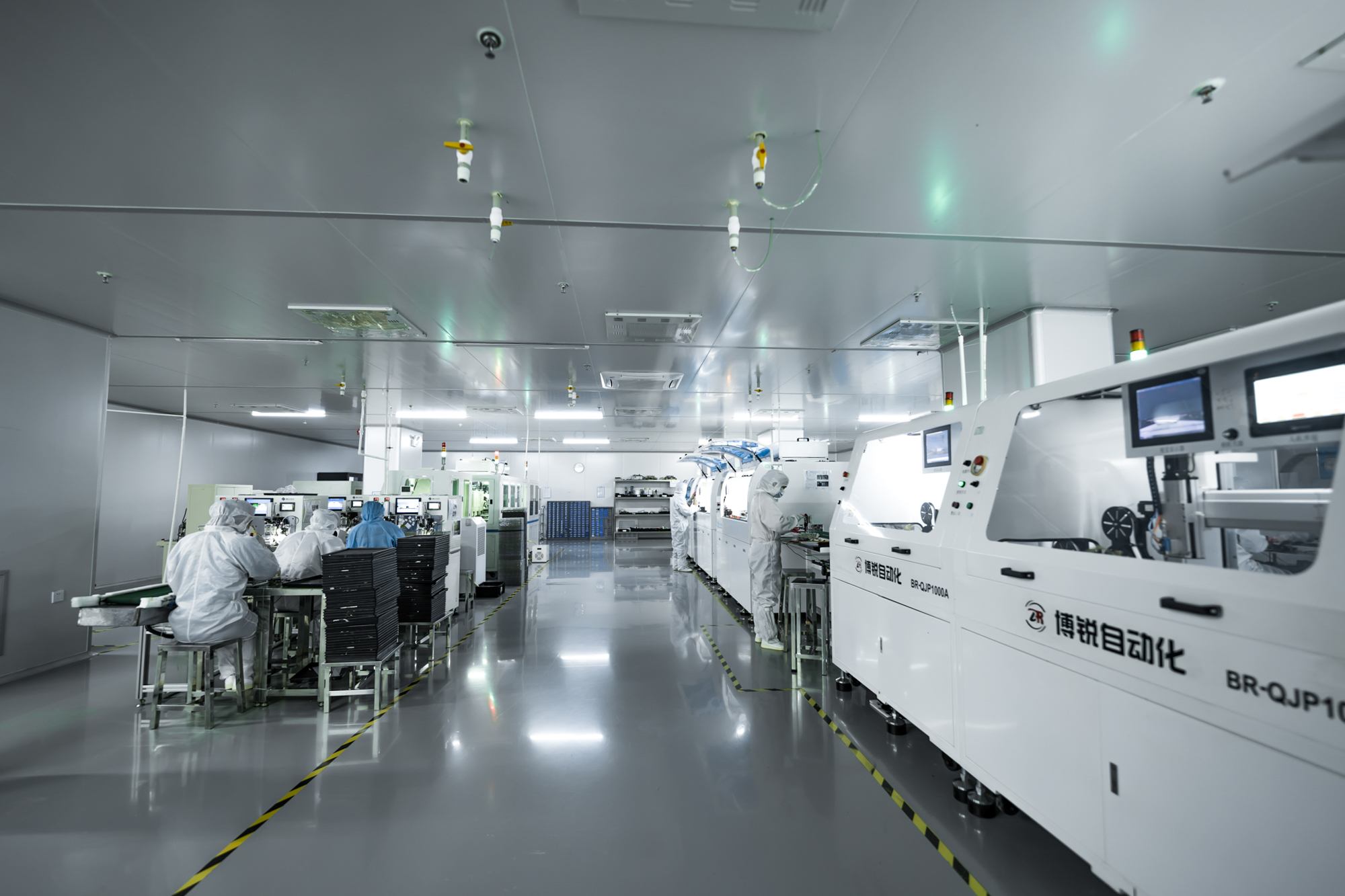
The profound fragmentation of application scenarios places higher demands on the diversification and flexibility of the display supply chain. The market requires not only cutting-edge OLED technology but also a large volume of high-quality, high-reliability LCD display solutions, and, more importantly, the capability to quickly respond with differentiated customization. At this juncture, the value of a well-grounded professional LCD display manufacturer becomes even more prominent. Such a manufacturer must not only be able to stably supply standard-spec LCD screens and LCD modules, but must also possess the deep engineering capability to deliver customized LCDs, helping customers strike an optimal balance between performance and BOM cost and flexibly address display selection across different product lines.
Adapting to Trends, Building Diversified Display Capabilities in a Fragmented Landscape
Amid an industry backdrop of profound display technology fragmentation, CNK Electronics Co., Ltd (CNK) is integrating into this transformation with a pragmatic strategic pace. As a specialized and innovative technology enterprise dedicated to the development, production, and sales of display devices and HMI (Human-Machine Interface) products, the company does not make an either-or choice between LCD and OLED. Instead, it builds upon its mature manufacturing genes accumulated in the LCD field to systematically expand into new display technologies.
Looking ahead, CNK’s strategic plan is clear: solidify its LCD foundation while targeting OLED deployment with greater precision. In the LCD domain, the company will continue to deepen the competitiveness of its monochrome LCDs, monochrome LCD modules, and TFT display modules ranging from 0.96 to 15.6 inches, enhancing the responsiveness and engineering depth of its customized LCD services to maintain long-term delivery advantages in cost-sensitive markets such as notebooks, tablets, and industrial control. In the OLED and HMI domain, the company focuses on application scenarios with clear upgrade demands for high contrast, wide viewing angles, and enriched interactive experiences—such as automotive displays, smart home appliances, and medical devices. It regards OLED modules and HMI modules as key directions for capability extension, gradually building a comprehensive supply capacity that covers both LCD and OLED offerings. This enables customers to select complete solutions—from simple displays to intelligent interaction—within a single supplier system.
The value of this diversified layout is that customers do not have to constantly weigh trade-offs between different technology routes. CNK is able to provide flexible configurations spanning LCD screens, customized LCDs, TFT modules, OLED modules, and even HMI solutions. This is the answer CNK delivers during the industry's period of restructuring—and a choice of certainty prepared for its customers.
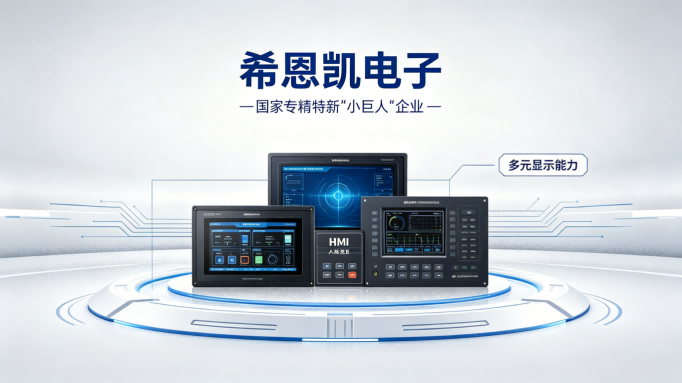
About CNK
Founded in Shenzhen in 2010, CNK Electronics (CNK in brief) expanded the world leading factory in Longyan, Fujian in 2019. It is a national specialized and innovative "little giant" enterprise that specializes in the design, development, production and sales of display products. CNK provides customers with a full range of cost-effective small and medium-sized display modules, solutions, and services with excellent quality worldwide. Oriented in technology and high quality, CNK keeps sustainable development, works to offer customers better and stable services.