- English
- Español
- Português
- русский
- Français
- 日本語
- Deutsch
- tiếng Việt
- Italiano
- Nederlands
- ภาษาไทย
- Polski
- 한국어
- Svenska
- magyar
- Malay
- বাংলা ভাষার
- Dansk
- Suomi
- हिन्दी
- Pilipino
- Türkçe
- Gaeilge
- العربية
- Indonesia
- Norsk
- تمل
- český
- ελληνικά
- український
- Javanese
- فارسی
- தமிழ்
- తెలుగు
- नेपाली
- Burmese
- български
- ລາວ
- Latine
- Қазақша
- Euskal
- Azərbaycan
- Slovenský jazyk
- Македонски
- Lietuvos
- Eesti Keel
- Română
- Slovenski
- मराठी
- Srpski језик

LCD Selection Guide:Don’t Choose Industrial Screens with a Consumer Mindset
You’re holding a spec sheet. Resolution,size,interface — all look about the same. Supplier A quotes 15% less,and you’re ready to sign.
But wait — what device will this screen be mounted on? How hot does the operating environment get? How far away will the operator be standing when reading it?
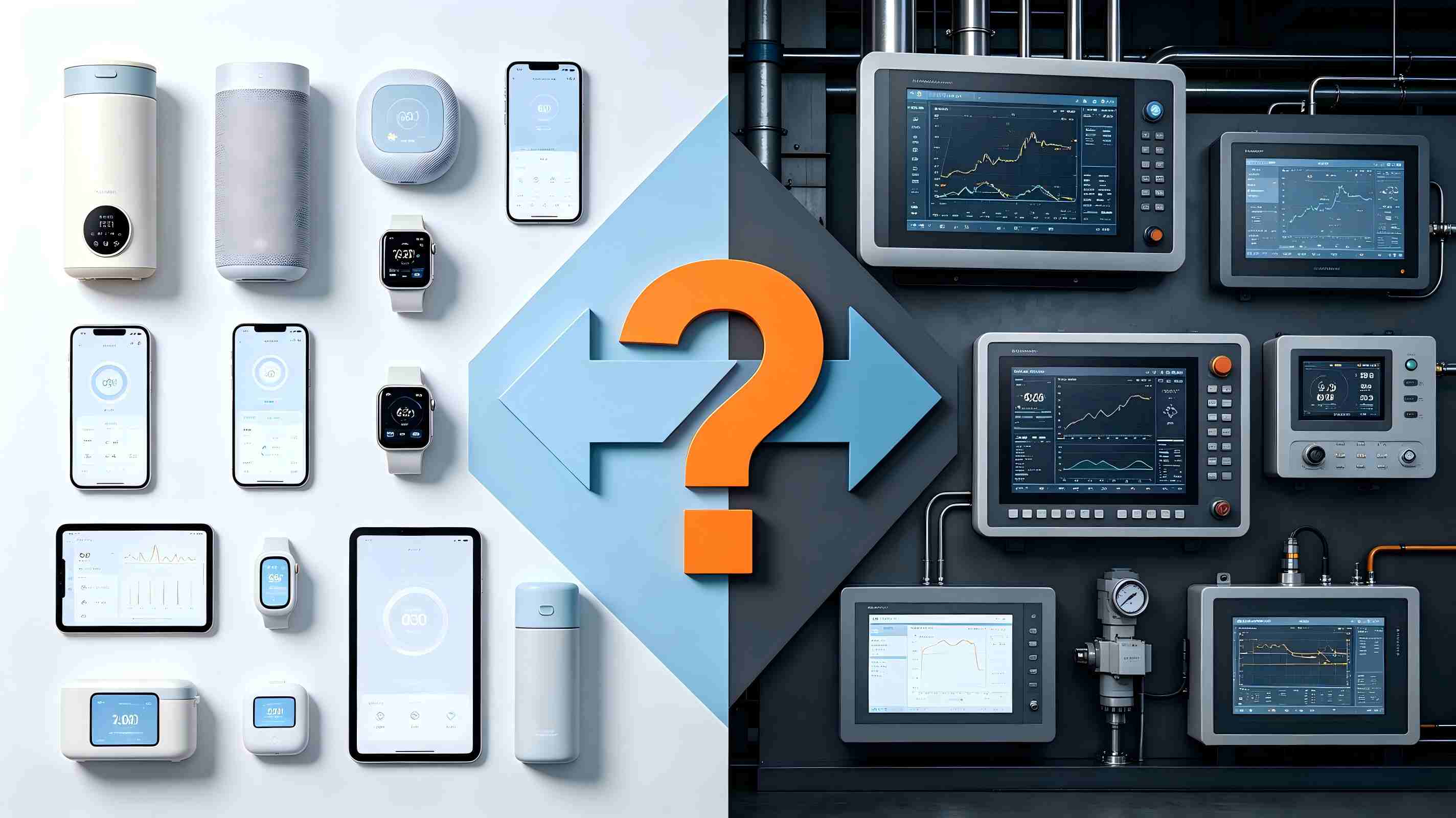
The first trap many procurement professionals fall into isn’t inadequate specs — it’s choosing industrial-grade products with a consumer-grade mindset. The LCD screen in your smartphone and the LCD screen in industrial equipment may share the same underlying technology,but they operate on entirely different survival logic.
Durability:The Gap Between 1 Year and 10 Years
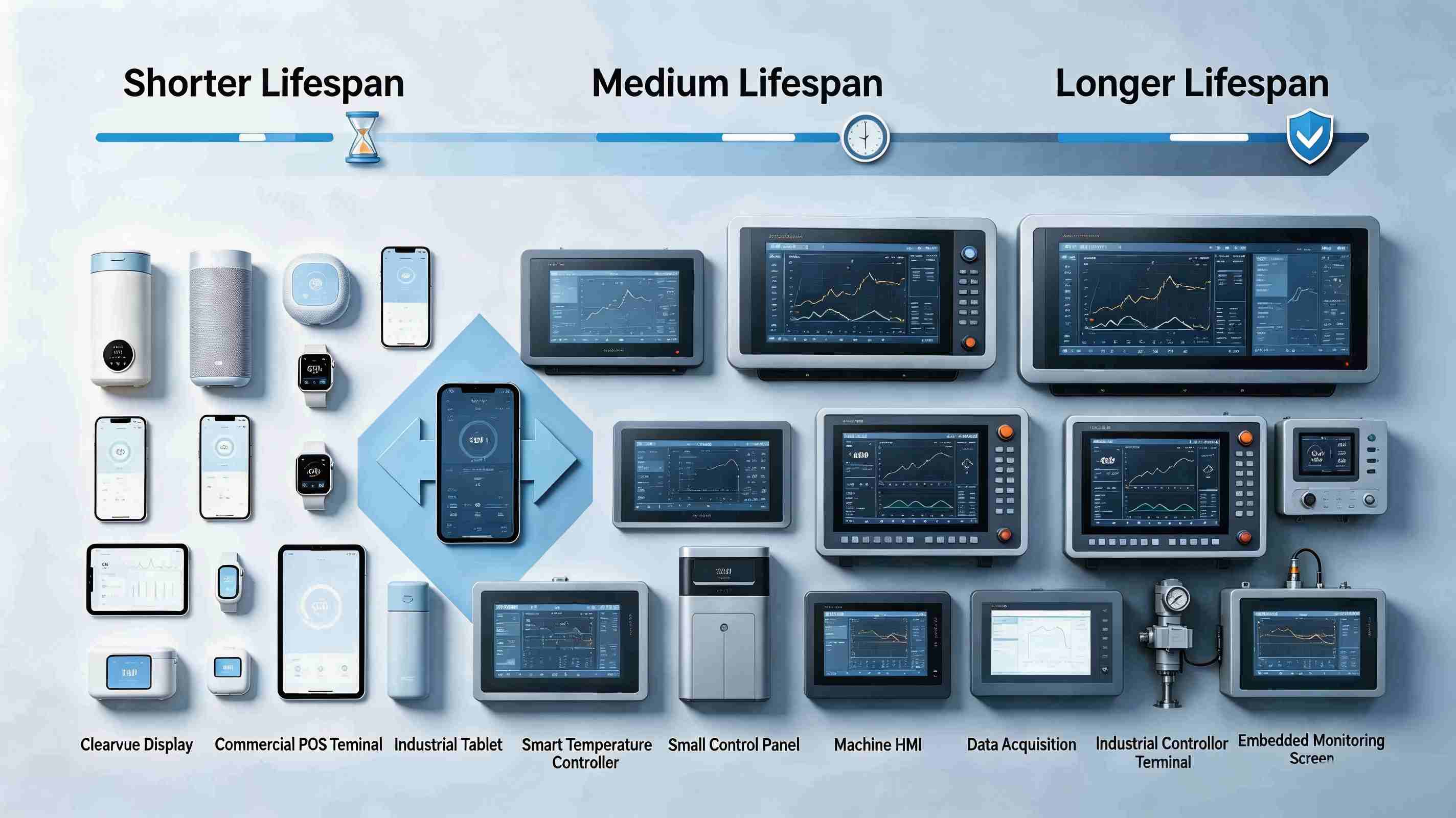
Consumer display modules are designed for smartphones,tablets,and similar devices,where product life cycles typically run only 1 to 2 years. Pricing is fiercely competitive,and iteration is fast. But this logic simply doesn’t translate to industrial environments.
Industrial equipment life cycles routinely exceed 10 years. Can you still source the same LCD module a decade from now? When a manufacturer discontinues a part,will the successor product be backward-compatible — fitting existing enclosures without redesigning the entire system? These questions rarely surface in consumer procurement,but in industrial projects,every re-selection means BOM changes,recertification,and production line adjustments. The hidden costs far exceed the price difference of the screen itself.
Environmental Stability:Not Every Screen Survives the Field
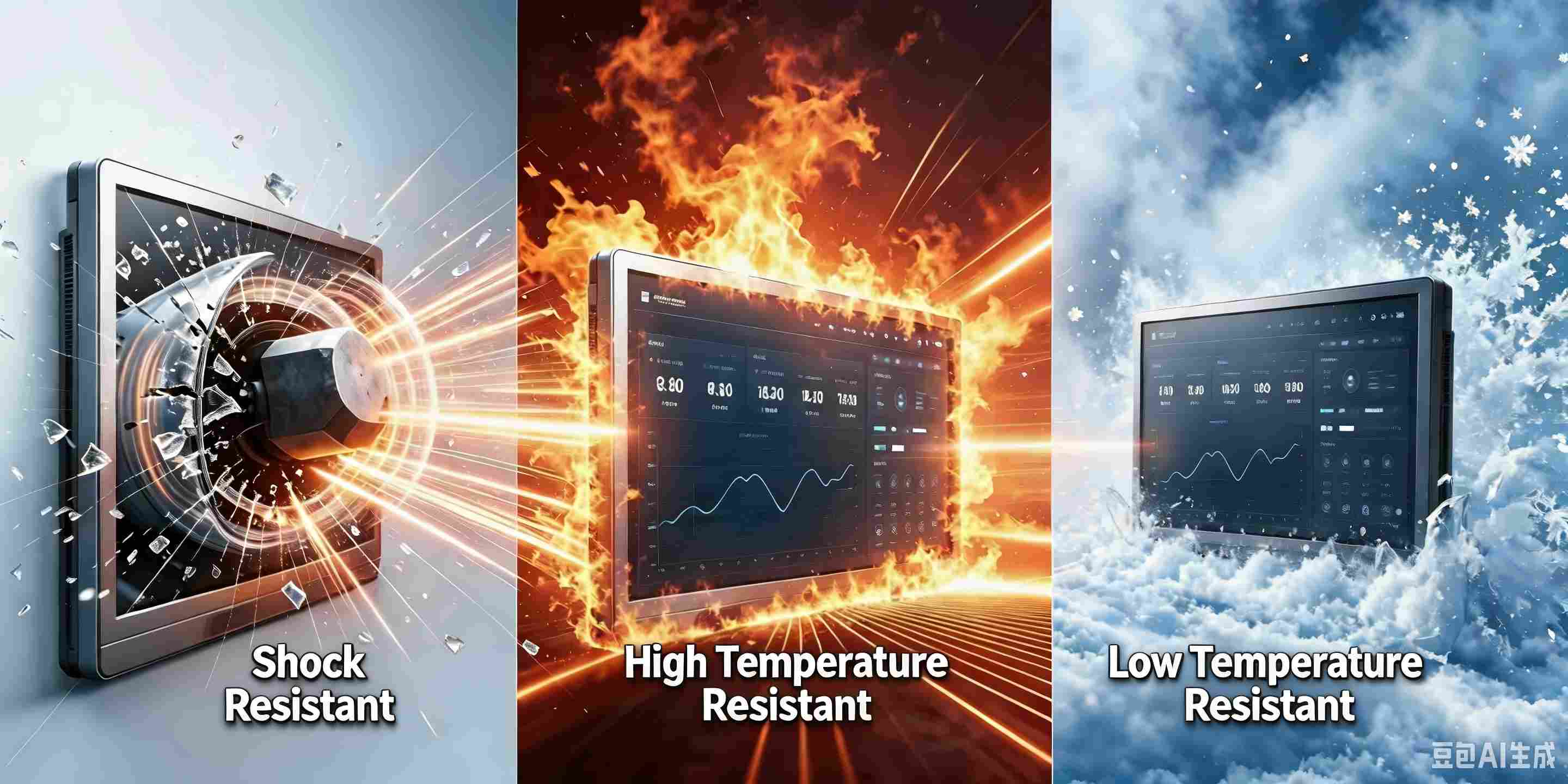
Temperature fluctuations,sustained vibration,and frequent impact — these are challenges that consumer-grade screens were never designed to face.
Consider temperature:standard consumer screens typically operate within a narrow temperature range,while industrial environments can span from -30°C to 80°C. Heat generated by other components inside sealed enclosures further raises the operating temperature. Advances in liquid crystal materials have enabled industrial-grade LCDs to cover a working temperature range of -30°C to 80°C,but this capability is rarely found in consumer-grade products.
When it comes to shock and vibration resistance,industrial-grade solutions reduce pin-and-socket connectors and adopt chip-on-glass (COG) semiconductor packaging to improve reliability. Metal bezels replace plastic housings,improving both EMI characteristics and mechanical strength. Chemically strengthened cover glass prevents the scratches and surface damage common in operating environments.
Readability:It’s Not About Brightness—It’s About Clarity
Standard transmissive LCDs typically deliver 250 to 300 cd/m² of brightness. In an office or living room,that’s perfectly adequate. But industrial environments often have ambient light levels far exceeding indoor conditions — high-intensity workshop lighting,outdoor glare,and cross-interference from equipment indicator lights can all turn a 300 cd/m² screen into a reflective mirror.
Industrial-grade displays typically start at 800 cd/m² or higher,achieved through high-efficiency LED backlights and brightness enhancement films. Another often-overlooked metric is contrast ratio:consumer screens typically deliver 200:1 to 300:1,which falls short when operators view the screen from a meter away or further. Industrial environments recommend contrast ratios of 500:1 or higher — greater contrast means clearer visuals,with no increase in power consumption.
The Essence of Screen Selection Is Matching the Scenario
Back to the opening question:what device will this screen be mounted on?
Selecting a screen isn’t about comparing spec sheets — it’s about understanding the scenario. Durability determines maintenance costs,environmental stability determines failure rates, and readability determines operational efficiency. These three dimensions combined represent the true standard for industrial-grade selection.
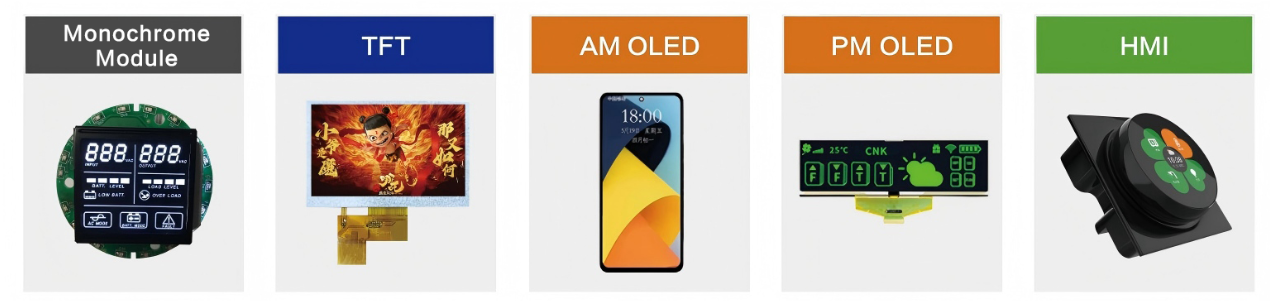
As professional LCD display manufacturers,CNK provides customize LCD solutions — not just picking a model from a product catalog,but starting from your scenario to match the truly appropriate display solution.
When it comes to screen selection,choosing the right scenario matters more than choosing the right specs.\
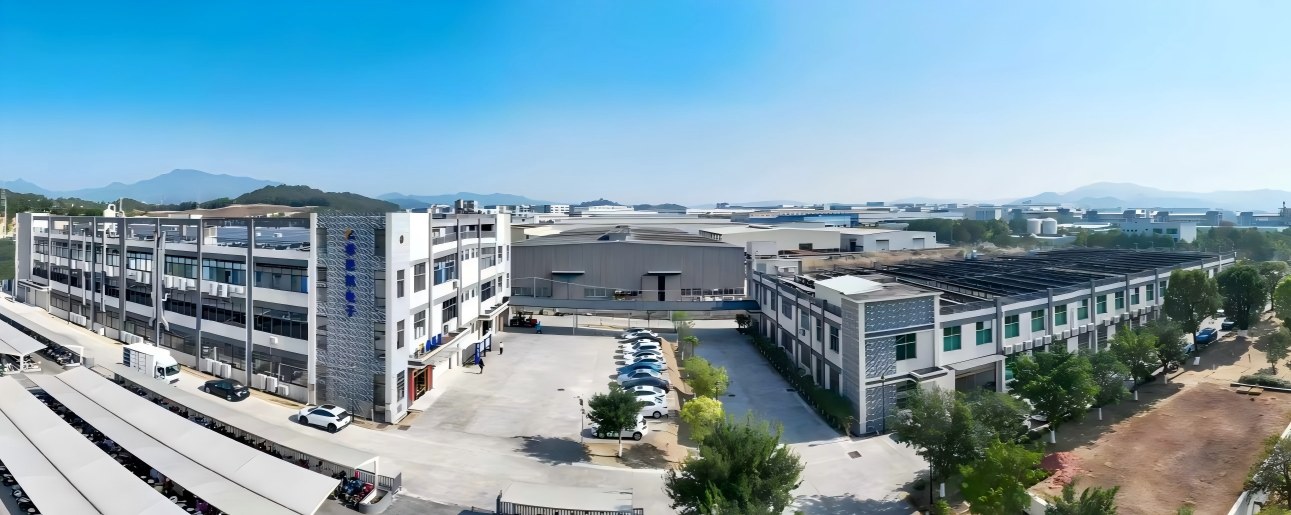
About CNK
Founded in Shenzhen in 2010, CNK Electronics (CNK in brief) expanded the world leading factory in Longyan, Fujian in 2019. It is a national specialized and innovative "little giant" enterprise that specializes in the design, development, production and sales of display products. CNK provides customers with a full range of cost-effective small and medium-sized display modules, solutions, and services with excellent quality worldwide. Oriented in technology and high quality, CNK keeps sustainable development, works to offer customers better and stable services.